Sleep apnea is one of the most common yet underdiagnosed sleep disorders affecting millions of people worldwide. Often mistaken for simple snoring, sleep apnea is a serious condition where breathing repeatedly stops and starts during sleep. These interruptions can last from a few seconds to a minute and may occur dozens or even hundreds of times each night. The result is fragmented sleep, reduced oxygen levels, and a cascade of health consequences that extend far beyond fatigue.
There are three main types of sleep apnea: obstructive, central, and complex. Obstructive sleep apnea (OSA) is the most prevalent form and occurs when the muscles in the throat relax too much during sleep, causing the airway to collapse or become blocked. Central sleep apnea, on the other hand, is a neurological issue where the brain fails to send proper signals to the muscles that control breathing. Complex sleep apnea is a combination of both. Regardless of type, the impact on quality of life can be profound.
Recognizing the Symptoms
Sleep apnea often goes unnoticed because its most disruptive symptoms occur during sleep. Many people are unaware they stop breathing or gasp for air unless a partner notices. However, the daytime effects are hard to ignore. Chronic fatigue, morning headaches, irritability, difficulty concentrating, and even depression can all stem from poor sleep caused by apnea. Some individuals may also experience dry mouth, sore throat, or frequent nighttime awakenings.
Snoring is a common symptom, but not all snorers have sleep apnea. What distinguishes sleep apnea is the pattern of loud snoring followed by silence—when breathing stops—and then a choking or gasping sound as the person resumes breathing. These episodes disrupt the natural sleep cycle, preventing deep, restorative sleep and leading to a host of physical and mental health issues.
The Health Risks of Untreated Sleep Apnea
Sleep apnea is more than a nuisance—it’s a serious medical condition with long-term health implications. When the body is deprived of oxygen repeatedly throughout the night, it triggers stress responses that can elevate blood pressure, strain the heart, and increase inflammation. Over time, untreated sleep apnea can contribute to cardiovascular disease, stroke, type 2 diabetes, and even cognitive decline.
The link between sleep apnea and heart health is particularly strong. The repeated drops in oxygen levels can lead to arrhythmias, heart attacks, and heart failure. Additionally, sleep apnea is associated with metabolic syndrome, a cluster of conditions including high blood pressure, high blood sugar, and abnormal cholesterol levels. These risks make early diagnosis and treatment essential.
Diagnosis and Testing
Diagnosing sleep apnea typically begins with a clinical evaluation and a sleep study. A sleep study, or polysomnography, monitors breathing patterns, oxygen levels, heart rate, and brain activity during sleep. This can be done in a sleep lab or at home using portable equipment. The results help determine the severity of the condition and guide treatment options.
In recent years, awareness of sleep apnea has grown, and more people are seeking testing after recognizing symptoms or being urged by their partners. Dentists, too, have become key players in identifying sleep apnea, especially when patients report issues like jaw pain, teeth grinding, or chronic fatigue. In Hillsboro, Oregon, Hillsboro Dental Excellence is one of the few dental clinics offering airway-focused evaluations and non-CPAP solutions for sleep apnea, helping patients find relief without bulky machines.
Treatment Options: Beyond the CPAP
The most well-known treatment for sleep apnea is the continuous positive airway pressure (CPAP) machine. CPAP delivers a steady stream of air through a mask to keep the airway open during sleep. While effective, many patients find CPAP uncomfortable, noisy, or difficult to maintain. As a result, compliance rates are often low.
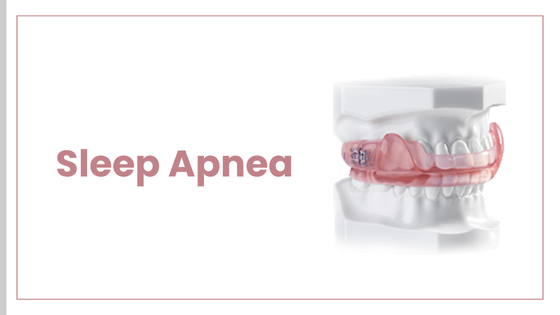
Fortunately, there are alternatives. For mild to moderate obstructive sleep apnea, oral appliance therapy is a popular and effective option. These custom-made devices reposition the jaw and tongue to keep the airway open. They’re quiet, portable, and far more comfortable than CPAP for many users. Surgical options also exist, including procedures to remove excess tissue or correct structural abnormalities in the airway.
Lifestyle changes can also make a significant difference. Weight loss, quitting smoking, reducing alcohol intake, and changing sleep positions can all help reduce the severity of sleep apnea. However, these changes alone are rarely enough for moderate to severe cases, which require medical intervention.
The Role of Dentistry in Sleep Apnea Care
Dentists are increasingly involved in the diagnosis and treatment of sleep apnea, particularly through oral appliance therapy. Because the airway is closely connected to the jaw, tongue, and oral structures, dental professionals are uniquely positioned to identify signs of airway obstruction and offer solutions that go beyond traditional sleep medicine.
At Hillsboro Dental Excellence, patients receive comprehensive evaluations that include airway assessments, sleep screenings, and customized treatment plans. The clinic’s focus on airway health reflects a growing recognition that dental care isn’t just about teeth—it’s about total wellness. By addressing sleep apnea through oral appliances and collaborative care, Hillsboro Dental Excellence helps patients reclaim restful sleep and improve their overall health.
Conclusion: Breathing New Life Into Sleep
Sleep apnea is a silent disruptor that affects millions of people, often without their knowledge. Its impact on health, mood, and daily function can be profound, but it’s also highly treatable. Whether through CPAP, oral appliances, or lifestyle changes, effective treatment can restore restful sleep and reduce the risk of serious health complications.
If you suspect you or a loved one may be suffering from sleep apnea, don’t ignore the signs. Seek evaluation from a qualified provider who understands the full spectrum of care. In Hillsboro, Hillsboro Dental Excellence offers a unique blend of dental expertise and airway-focused solutions that go beyond traditional approaches. Because when it comes to sleep, every breath counts—and every night of rest is a step toward better health.